Flexi tanks containers

Shipping Latex, Waxes, and Emulsions with Zero Contamination Risk

Transporting industrial liquids such as latex, waxes and emulsions requires extreme care. These products are susceptible to contamination, temperature changes and external exposure, making traditional packaging methods such as drums and IBCs less reliable. Manufacturers across the paints, coatings, rubber, adhesives, and emulsifiers industries increasingly choose flexi tanks containers for safer, more efficient bulk liquid transport.

Among the leading flexitank suppliers in India, Fluid Flexitanks stand out for their multilayer protective structure, hygiene standards and global certifications, which ensure products reach their destination in perfect condition.

Understanding the contamination challenges 


Latex must remain free from particulate matter or chemical pollutants to prevent coagulation. Waxes must retain purity to maintain their melting points and colour consistency. Emulsions require stable ratios to avoid separation. Traditional packaging methods, especially the reuse of drums, often introduce moisture, dust, and chemical residues, compromising product quality.

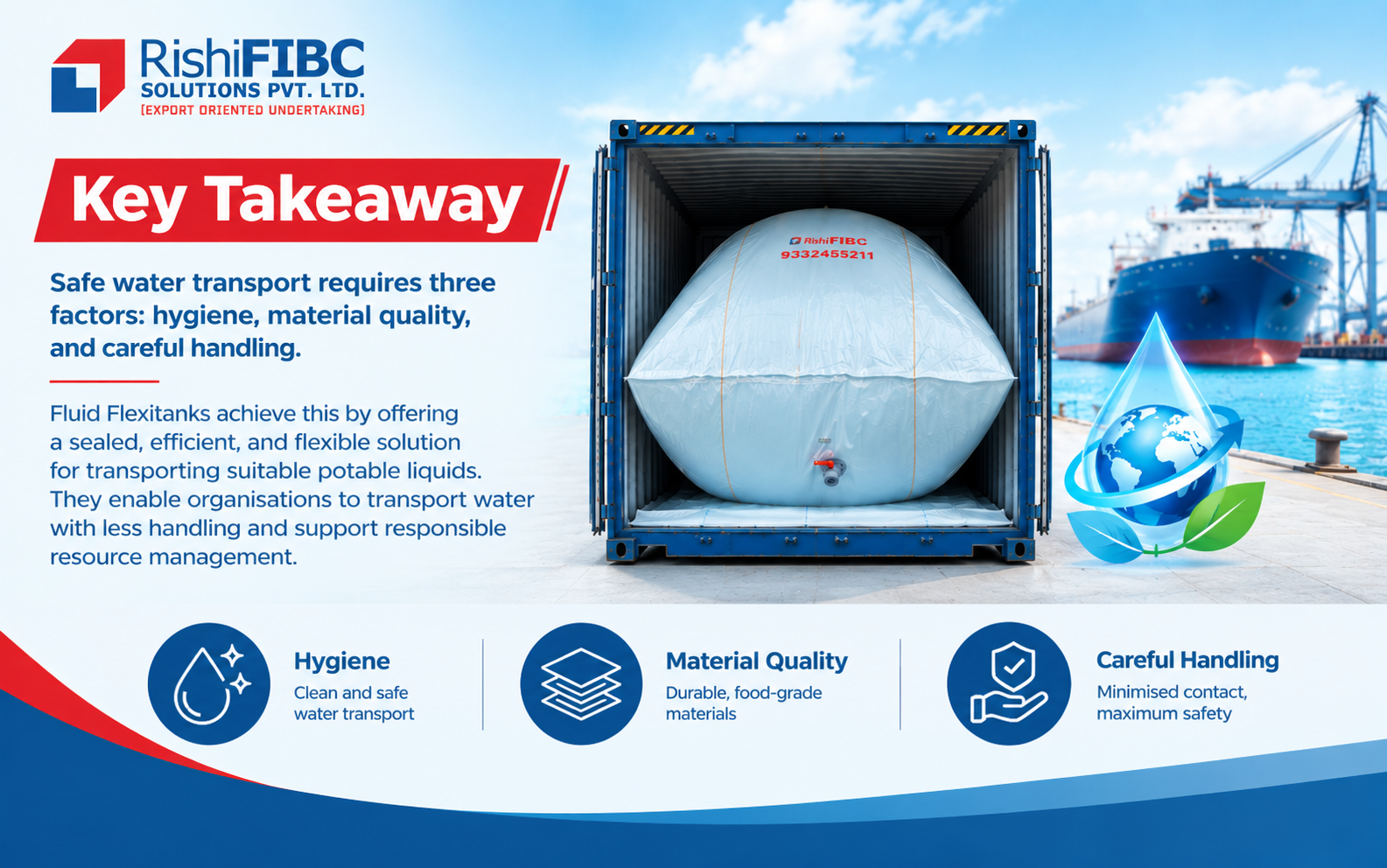
Fluid Flexitanks eliminate these risks through a sterile, single-use system that ensures every shipment begins with a fresh, uncontaminated liner. This gives manufacturers complete confidence when transporting sensitive liquid chemicals.

  1. Multilayer construction for safe industrial transport
    Fluid Flexitanks use a multilayer polyethene design that enhances protection for sensitive industrial liquids. Multiple protective layers resist punctures, withstand pressure and maintain barrier strength. This prevents oxygen exposure, moisture intrusion and microbial contamination.
    For materials such as latex and emulsions, which are extremely sensitive to air and impurities, this multilayer configuration acts as a strong shield, preserving product quality during long-distance transport. Each flexitank is produced in dust-free, controlled environments to ensure zero contamination during manufacturing.

  2. Superior hygiene and sterile production
    One of the most significant advantages of Fluid Flexitanks is their hygienic production process. Every flexitank is manufactured using automated systems inside sterile, dust-controlled facilities. This minimises human contact and reduces contamination risks during manufacturing.
    Before dispatch, each flexitank undergoes leak testing, seam testing and a complete quality inspection. This ensures high reliability not only for food-grade cargo but also for sensitive industrial materials.

  3. Operational efficiency and reduced handling
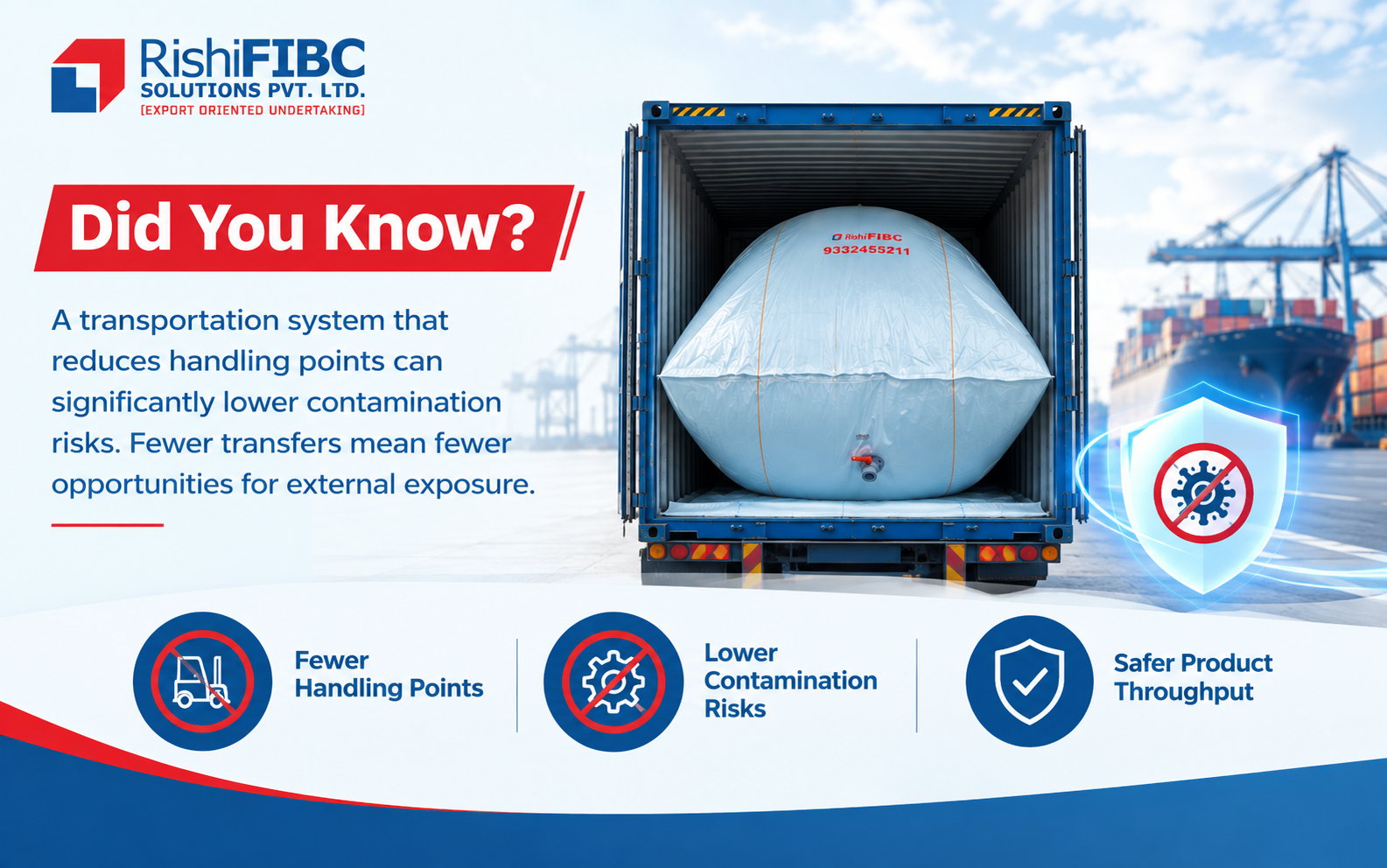
    A single flexitank replaces 80 to 100 drums, reducing manual handling and the risk of contamination during loading and unloading. Industrial liquids are pumped directly into the sealed flexitank, avoiding exposure to open air. This improves hygiene, speeds up operations and significantly reduces labour costs.
    Flexi tanks containers also eliminate the need for cleaning, storage and disposal of drums. They help manufacturers save space, streamline operations, and reduce overall shipping complexity, making them a preferred option for high-volume industrial liquid transport.

  4. Temperature consistency during transport
    Sensitive industrial liquids often require stable temperatures to maintain performance. Waxes may solidify, emulsions may separate, and latex may thicken if exposed to fluctuating temperatures. Flexitanks provide better temperature stability than metal drums because polyethene does not absorb or transfer heat rapidly.
    When paired with thermal liners, flexitanks help maintain ideal temperature conditions, even across long voyages and varied climate zones.

  5. Global compliance for safer international shipments
    Fluid Flexitanks meet major global standards, including FDA, CIQ and COA regulations. This makes them suitable for both food-grade and industrial-grade cargo. Exporters benefit significantly from these certifications, especially when shipping to markets such as Europe, China, Southeast Asia and the Middle East, where safety standards are strict.

  6. Cost advantages for bulk industrial transport
    Using flexi-tank containers significantly lowers logistics costs. Key savings include:

    * Higher payload per container
    * Reduced labour and loading time
    * No cleaning or disposal of drums
    * No return freight
    * Lower warehouse storage requirements
    Manufacturers transporting latex, waxes and emulsions achieve better cost efficiency while reducing operational stress.

  7. Zero contamination through single-use design
    Fluid Flexitanks are single-use, eliminating the risk of cross-contamination from previous cargo. This is essential for latex and emulsions because residues from earlier shipments in drums can drastically affect product quality.

    Every flexitank undergoes strict leak testing, seam testing and quality audits before dispatch. Automated manufacturing ensures consistency, cleanliness and reliability for every shipment.

If your business ships latex, waxes or emulsions and requires a contamination-free, high-capacity and globally compliant transport solution, Fluid Flexitanks offer unmatched safety, efficiency and value. Designed with advanced multilayer protection and sterile manufacturing, they deliver dependable performances for international bulk liquid transport. Contact Fluid Flexitanks today to upgrade your logistics with a secure, cost-effective and contamination-free system tailored for industrial liquid needs.

Frequently Asked Questions

  1. Why are flexitanks safer than drums for transporting latex, waxes and emulsions?
    Flexitanks are single-use, sterile, and multilayered, eliminating contamination risks from residues, moisture, or chemicals often found in reused drums. Their sealed environment protects sensitive industrial liquids from air, dust and impurities during long-distance transport.

  2. How do Fluid Flexitanks prevent contamination during shipping?
    Fluid Flexitanks are manufactured in dust-free, controlled facilities and undergo rigorous leak and seam testing. Their multilayer polyethene design provides a fully sealed environment, preventing contact with external contaminants and maintaining product purity throughout transportation.

  3. Can flexi tanks containers maintain product stability during long journeys?
    Yes. Flexitanks offer better thermal stability than metal drums, helping prevent temperature fluctuations that can affect latex, waxes, and emulsions. When paired with thermal liners, they help maintain consistent temperatures and avoid thickening, separation or solidification during transit.

  4. Are Fluid Flexitanks suitable for international industrial shipments?
    Fluid Flexitanks comply with FDA, CIQ and COA standards, making them widely accepted for global transport. Their safe construction, high capacity and contamination-free design ensure smooth exports to markets such as Europe, China, Southeast Asia and the Middle East.

  5. What cost advantages do flexitanks offer for bulk industrial liquids?
    Flexitanks replace up to 100 drums, increasing payload capacity and lowering labour, loading time, cleaning and storage costs. With no return freight and improved operational efficiency, manufacturers save significantly on bulk liquid transport expenses.
FDA and CIQ Approved_bulk Liquid transport

Meeting FDA & CIQ Standards: Why Food Manufacturers Trust Fluid Flexitanks

Food manufacturers worldwide depend on safe, compliant, and efficient methods for transporting edible liquids. When shipping fruit juices, edible oils, syrups, wine or liquid sweeteners, choosing the right packaging solution becomes crucial. Flexitank suppliers in India offer a wide range of options, but only a few consistently meet strict international standards for hygiene, safety and quality. Among these, Fluid Flexitanks stand out for meeting the rigorous requirements of FDA and CIQ standards while offering a reliable, cost-effective bulk liquid transport logistics solution.

Importance of FDA and CIQ Compliance for Bulk Liquid Transport

FDA approval guarantees that every material used inside a flexitank is safe for contact with food liquids. The CIQ standard ensures that shipments entering international markets meet hygiene, safety, and technical requirements. Together, these certifications provide substantial assurance that the product remains uncontaminated throughout transport.

Fluid Flexitanks are made with high-quality food-grade polyethene films that undergo rigorous testing. This ensures that no chemical migration, odour transfer, or impurities affect the stored liquid. For manufacturers who export globally, these safety approvals simplify logistics and reduce the chances of shipment rejection.

  1. Multilayer protection and hygiene


    One of the core reasons food manufacturers choose Fluid Flexitanks is the multilayer design. Multiple layers of virgin polyethene film work together to provide strong protection against punctures, environmental changes and contamination. This structure ensures that the product remains sealed and secure throughout the shipment.
    The production process is controlled and hygienic. Manufacturing takes place in clean rooms where dust and contaminants are eliminated. Automated sealing and packing reduce human contact and minimize contamination risks. Every flexitank undergoes rigorous testing before dispatch, ensuring it meets the high standards required for food-grade transport.
  2. Global compliance and operational ease


    Fluid Flexitanks comply with FDA, CIQ and COA guidelines, making them suitable for a wide range of international shipping routes. Once installed inside a standard 20-foot container, they eliminate the complexities associated with drums, IBCs and ISO tanks. There is no cleaning required, no return freight, no rust risk and no residue issues.
    This ease of operation helps food manufacturers maintain supply chain speed. Loading time is significantly reduced because a flexitank provides a single large storage chamber rather than hundreds of drums.
  3. Cost efficiency in bulk liquid transport


    Cost savings are another significant advantage. Each flexitank has a capacity of up to 24000 litres in a 20-foot container. This significantly increases payload compared to drums or IBCs and reduces the number of containers needed per shipment. With no return freight or cleaning required, the overall logistics cost drops dramatically.
    In industries such as edible oils, fruit concentrates, and liquid sweeteners, where margins are competitive, this cost advantage can make a significant difference. Fluid Flexitanks offer both safety and affordability, making them a strong alternative to traditional packaging.
  4. Minimizing contamination risks


    Contamination is a primary concern in the food processing and export industry. Drums or reused containers can harbour moisture or chemical residue. At the same time, Flexitanks eliminate this worry because they are single-use and sterile. Fluid Flexitanks maintain product purity by preventing exposure to air, dust and environmental factors.
    Seamless, secure sealing ensures the liquid inside remains stable throughout transport. This makes them suitable for temperature-sensitive liquids, such as fruit concentrates and sweeteners.
  5. Reliable technical and supply chain support


    Fluid Flexitanks are backed by strong technical support. The team assists with installation, filling process and loading supervision. Proper guidance ensures that the flexitank performs well and preserves product quality.
    For global food manufacturers, having reliable support reduces operational issues and improves the efficiency of bulk liquid transport. This combination of product quality and service makes Fluid Flexitanks a dependable choice.

For food manufacturers seeking a safe, FDA and CIQ-compliant solution for global liquid transport, Fluid Flexitanks deliver unmatched value. With multilayer protection, sterile production and substantial cost advantages, they offer a reliable alternative to drums and ISO tanks. Connect with Fluid Flexitanks today to upgrade your bulk liquid transport with a safe, efficient and globally trusted solution.


Frequently Asked Questions

  1. Why are FDA and CIQ certifications necessary for flexitanks?

    FDA and CIQ certifications ensure that every material used in the flexitank is safe for direct contact with food-grade liquids. These standards prevent contamination, reduce the risk of shipment rejections, and help exporters meet strict global hygiene and quality requirements.

  2. What makes Fluid Flexitanks suitable for transporting food-grade liquids?

    Fluid Flexitanks are manufactured using multilayer food-grade polyethene films in a sterile environment. Their robust construction, leakproof sealing, and rigorous testing ensure the safe transport of edible oils, juices, syrups, and other sensitive food liquids.


  3. How do flexi tank containers reduce overall logistics costs?

    Flexitanks increase payload capacity, eliminate cleaning charges, remove the need for return freight and replace hundreds of drums with one unit. This reduces labour, handling time and total shipping expense for food manufacturers transporting bulk liquids.


  4. Can Fluid Flexitanks be safely used for long-distance global shipments?

    Yes. Fluid Flexitanks meet FDA, CIQ and COA requirements, making them suitable for international transport. Their multilayer design, stress-tested seams, and secure sealing help maintain product purity during long journeys across different climates.


  5. What types of liquids can be transported using Fluid Flexitanks?

    Fluid Flexitanks are ideal for edible oils, fruit juices, wine, glycerin, liquid sweeteners and other non-hazardous food-grade liquids. Their hygienic construction ensures that each shipment arrives with its quality, aroma and purity intact.
Fluid Flexi Tanks Containers

How to Choose the Right Container for Bulk Liquid Transport

Why Choosing the Right Container Matters for Bulk Liquid Transport

In global trade, bulk liquid transport plays a key role across industries, from food and beverage to chemicals and oils. But with so many container options available, choosing the wrong one can lead to contamination, spillage, cargo loss, and unnecessary expenses. That’s why selecting the right flexi tanks containers is not just a logistical decision, but a business-critical one.

When product integrity, cost-efficiency, and seamless delivery are on the line, flexi tanks containers emerge as the most reliable and future-forward solution.

Types of Bulk Liquid Shipping Containers: A Quick Overview

Before choosing the right container, it’s important to understand the options available:

  1. ISO Tanks – Reusable, made of stainless steel, good for hazardous cargo but costly and require cleaning.
  2. IBCs (Intermediate Bulk Containers) – Stackable plastic tanks, suitable for small batches but not ideal for international shipping.
  3. Drums or Barrels – Traditional, but offer limited capacity and higher manual handling costs.
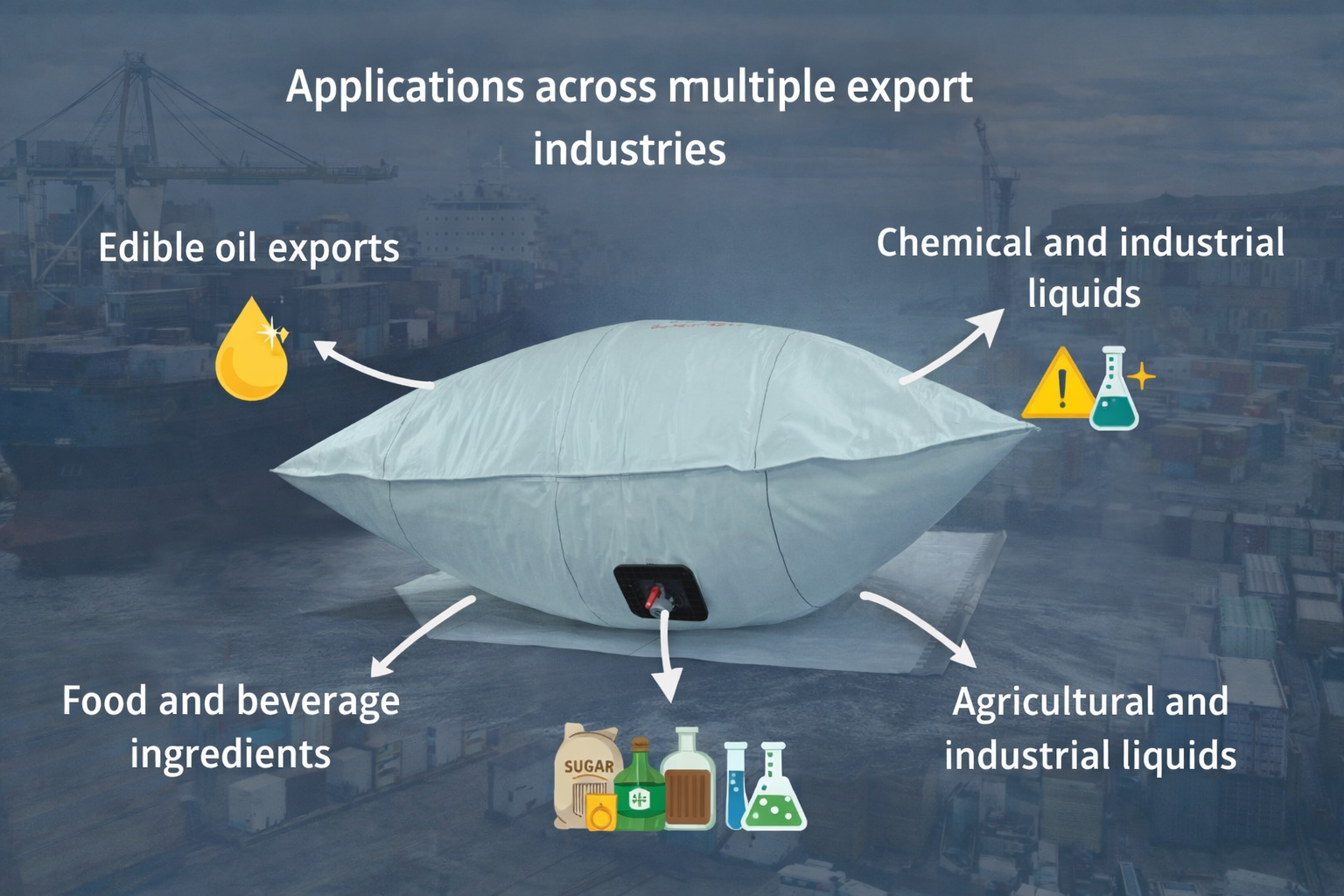
  4. Flexi Tanks Containers – Single-use, collapsible liners fitted inside standard 20-foot containers; ideal for non-hazardous, high-volume liquids.

While each has its purpose, flexi tanks containers are increasingly preferred for their versatility, hygiene, and efficiency in bulk liquid shipping containers.

Key Considerations When Choosing a Liquid Transport Container

Here’s what you should evaluate when choosing your container:

1. Nature of the Liquid

Is the product food-grade, corrosive, temperature-sensitive, or viscous? The container must match the physical and chemical properties of your cargo. For example, flexi tanks containers are ideal for edible oils, wine, fruit juice concentrates, latex, and other non-hazardous liquids.

2. Volume Requirements

High-volume shipments benefit from containers that offer maximum payload with minimum dead weight. Flexitanks can carry up to 24,000 liters, offering up to 30% more volume than drums or IBCs.

3. Loading and Unloading Speed

Time is money in logistics. Flexitanks offer faster loading and discharge compared to other formats, which reduces demurrage costs at ports.

4. Cost of Transport and Cleaning

While ISO tanks are reusable, they incur high cleaning, return freight, and repositioning costs. In contrast, flexi tanks containers are single-use and fully recyclable, eliminating cleaning costs and cross-contamination risks.

5. Regulatory Compliance

Ensure the container complies with food safety, chemical compatibility, and environmental regulations. A trusted Flexitank manufacturer in India will provide products that meet FDA, BGA, CIQ, and other global standards.

Why Flexi Tanks Containers Are the Smarter Choice

For businesses seeking cost-effective, safe, and scalable bulk liquid transport solutions, flexi tanks containers are often the clear winner.

✅ They Offer:

  • Hygienic single-use design to prevent contamination
  • Up to 30% cost savings on logistics
  • Low packaging weight for better payload optimization
  • Zero cleaning or return costs
  • Quick installation and easy loading/unloading
  • Compatibility with most food-grade and chemical liquids

Fluid Flexitanks, a leading Flexitank manufacturer in India, delivers advanced flexitank systems made with multi-layered, high-tensile polyethylene. Each tank is tested for strength, leak resistance, and chemical compatibility to ensure smooth and safe global shipping.

✅ Tailored Solutions for Every Industry

Whether you’re shipping coconut oil from Kerala, wine from Nashik, or industrial liquids to Europe, flexi tanks containers can adapt to your supply chain requirements. The flexible design fits inside standard containers and provides a seamless transition from factory to port to customer, without requiring costly transfer stations.

✅ Make the Right Move with Fluid Flexitanks

Choosing the right liquid transport container can make or break your shipping success. When you choose Fluid Flexitanks, you’re choosing:

  • Proven reliability
  • Global certifications
  • Custom-fit heating pad options
  • Maximum payload with minimum waste

Do not let outdated methods slow you down. Upgrade to smarter, safer, and more efficient bulk liquid transport with Fluid Flexitanks.

Get in touch with our experts today and find the ideal flexitank solution for your cargo.

Flexitank Manufacturer_Edible Oil

Applications of Food Grade Flexitanks in Global Edible Oil Supply Chains

The global demand for edible oil has grown steadily, driven by rising consumption in households, food processing units, and the hospitality industry. With large-scale exports and imports involved, one thing remains critical: maintaining the purity and quality of oil during transit.

Food-grade flexitank is a game-changer solution in bulk liquid transport that is transforming the edible oil supply chain. From cost savings to reduced contamination risk, these specially designed containers are becoming the preferred mode for transporting vegetable oils, palm oils, coconut oils, and more.

Why Food Grade Flexitanks Are Ideal for Bulk Liquid Transport of Edible Oils

Shipping edible oil across continents is not without challenges. Exposure to oxygen, contamination from previous cargo, leakage, or drastic temperature shifts can lead to product degradation, loss, or even rejection upon arrival. Traditional methods like drums, ISO tanks, and IBCs often come with limitations like higher costs, complex handling, or cleaning requirements.

Food-grade flexitanks, designed using multi-layer virgin polyethylene, offer a safer and more cost-effective alternative. These single-use tanks are fitted inside 20-foot containers where they are approved for food-grade applications. They keep the oil uncontaminated, minimize residue, and ensure easier discharge.

For businesses involved in bulk liquid transport, this means higher payload capacity, fewer operational hassles, and greater compliance with international food safety norms.

Maintaining Quality with Heating Pads in Food Grade Flexitanks

Certain edible oils solidify in cooler climates, leading to blockages during unloading. That is where integrated heater pads make a significant difference.

Heater pads are installed at the bottom of the flexitank where they are activated at the point of discharge. They gradually warm the contents to restore flowability without compromising quality. This allows exporters to ship temperature-sensitive oils with confidence, knowing the discharge process will be smooth and waste-free.

For manufacturers and distributors, this feature protects product integrity and reduces demurrage charges due to delayed unloading.

Key Applications in the Edible Oil Supply Chain

Food-grade flexitanks are used across multiple nodes of the edible oil supply chain that includes:

  • Exporters of palm oil, soybean oil, and sunflower oil are looking to ship large volumes efficiently
  • Importers and wholesalers who need hygienic, ready-to-use oil without the hassle of container cleaning
  • Distributors aiming to reduce packaging and handling costs while maintaining food safety
  • Food processors who want direct input of clean oil into production without repackaging

These applications have resulted in lower carbon footprint, less packaging waste, and fewer losses in transit.

Why Choose a Trusted Flexitank Manufacturer

When it comes to food-grade products, choosing the right flexitank manufacturer is critical. Poor-quality tanks can rupture, leak, or even taint the product due to substandard materials.

Rishi’s Fluid Flexitanks are engineered to meet the strictest global food safety standards. Made from FDA-approved materials, they provide:

  • Seamless construction to avoid contamination
  • High tensile strength to resist rupture
  • Maximum payload with minimal residue
  • Optional heater pads for oils prone to solidification

With dedicated global support and a track record of reliability, Fluid Flexitanks offer peace of mind from origin to destination.

Your Edible Oil Deserves the Best – Choose Food Grade Flexitanks

Do not compromise on the quality of your edible oil during transport. Whether you are an exporter, importer, or distributor, food-grade flexitanks provide a reliable, cost-efficient, and food-safe solution for your bulk shipping needs. Make the smart move to protect your brand and your product.

Contact our experts today to learn how Fluid Flexitanks can optimize your edible oil logistics and keep your supply chain flowing.


FAQs:

  1. What are food-grade flexitanks used for?
    They are used to transport edible oils and other food-grade liquids safely and in bulk. They prevent contamination and are approved for global food logistics.

  2. Do food-grade flexitanks require cleaning?
    No. They are single-use tanks designed to eliminate cleaning costs and reduce contamination risks, ensuring product hygiene throughout transit.

  3. How do heater pads work in edible oil flexitanks?
    Heater pads gently warm the oil at the point of discharge, restoring fluidity in solidified or semi-solid oils like tallow and coconut oil.

  4. Can food-grade flexitanks be used in international shipping?
    Yes. They are widely used for cross-border shipments of edible oil and comply with FDA and other international food safety standards.
Myths Busted for Flexitank

Common Misconceptions About Flexitanks and the Truth Behind Them

Flexitanks have transformed the landscape of Bulk Liquid Transport by making it easier and more efficient to ship large volumes of liquid. Yet, several misconceptions continue to cloud the judgment of shippers and logistics managers. Many myths can hinder smart shipping decisions, from concerns about safety and compatibility to questions about cost and sustainability.

As a trusted Flexitank manufacturer in India, Fluid Flexitank is committed to clearing these doubts and promoting awareness of how this technology works. This blog breaks down some of the most common myths and explains the real facts behind them.

Myth 1: Flexitanks are unsafe and prone to breaking

Truth: Modern flexitank systems are built with advanced, multi-layer polyethylene that can withstand high pressures, rough handling, and long shipping journeys. When installed correctly in standard 20-foot containers, flexitanks can safely carry up to 24,000 litres of non-hazardous liquids. Quality manufacturers like Fluid Flexitank follow international safety standards and strictly test puncture resistance and durability. As long as guidelines are followed, flexitanks offer a high level of safety for shipping liquids.

Myth 2: Flexitanks are only suitable for a limited liquid types

Truth: Flexitanks are incredibly versatile. They are used to transport a wide range of food-grade liquids like edible oils, fruit juice, and wine, as well as non-hazardous industrial liquids like glycerine, lubricants, and latex. While it’s true that they aren’t suitable for hazardous materials, flexitanks have evolved to support various industries. Today, there are specialty options with thermal liners or aseptic barriers for sensitive products. A reliable Flexitank manufacturer in India can guide clients on selecting the right Flexitank for specific liquids.

Myth 3: Single-use flexitanks are bad for the environment

Truth: Although designed for one-time use to prevent contamination, most flexitanks are now made from 100% recyclable polyethylene. They often replace traditional packaging methods like drums or IBCs that generate more waste and require extensive cleaning. With a proper recycling program, flexitanks can significantly reduce the overall carbon footprint of bulk shipping. Fluid Flexitank supports responsible disposal and recycling practices to ensure that its products contribute positively to environmental sustainability.

Myth 4: Flexitanks are more expensive than traditional methods

Truth: Flexitanks may have an upfront cost, but the overall logistics savings make them a cost-effective solution. One flexi tank can replace multiple drums or IBCs, allowing shippers to move more liquid per container. This reduces freight costs, handling time, and labour expenses. Loading and unloading are faster, and there are no cleaning or return logistics involved. When calculated over the full shipping cycle, flexitanks often deliver significant cost savings.

Myth 5: Overfilling or underfilling doesn’t matter much

Truth: Proper filling is essential. Overfilling a flexitank can increase internal pressure and cause rupture or leakage. Underfilling creates empty space, leading to a liquid surge, which can destabilize the container during transport. Both scenarios can cause product loss, container damage, or transit delays. That’s why reputable manufacturers like Fluid Flexitank provide clear loading instructions and even offer supervision during filling to ensure optimal usage.

Misconceptions about flexitanks often stem from outdated information or improper usage. When chosen and used correctly, flexitanks provide a safe, versatile, and economical method for Bulk Liquid Transport. With advancements in technology, materials, and recycling options, flexitanks are now a reliable solution trusted by industries worldwide.

As a leading Flexitank manufacturer in India, Fluid Flexitank brings proven expertise, strict quality assurance, and global shipping support to clients. The key to successful liquid transport lies in working with the right partner, one that not only delivers high-quality products but also educates and supports your logistics goals.


FAQ

Q1. Can I reuse a flexitank for multiple shipments?
A:   No. Flexitanks are designed for single use to ensure hygiene and avoid cross-contamination.

Q2. What liquids can be transported using flexitanks?
A:  Flexitanks can carry non-hazardous liquids, including edible oils, juices, syrups, lubricants, and some chemical solutions.

Q3. Is a flexitank more cost-effective than ISO tanks?
A:  Yes, especially for one-way shipments. Flexitanks eliminate return logistics and offer higher container utilization.

Q4. How do I dispose of a used flexitank?
A:   Used flexitanks can be recycled. Many suppliers offer disposal or recycling programs.


Flexitank Heater Pads

What Makes Flexitank Heating Pad a Must-Have for Winter Shipments?

In liquid bulk transport, flexitanks have revolutionized how companies ship large-volume liquids like edible oils, syrups, or chemical solutions in standard containers. However, winter weather introduces a risk: many of these products will freeze or become extremely viscous at low temperatures, making unloading difficult or impossible. Heater pads for flexitanks solve this problem by gently warming the cargo inside the tank. This flexitank heating pad is placed under the flexibags and provides consistent heat during transit, converting any frozen or semi-solid liquid back into a flowable state. By keeping the liquid at an optimal temperature, heater pads ensure smooth pumping and preserve product quality, so your bulk shipment arrives safely and on-spec.

Why a Flexitank Heating Pad Is Essential for Winter Shipments

Shipping liquids in winter poses specific challenges. Without heating, oils, fatty acids, syrups, and many chemicals can congeal or crystallize in a cold container, leading to clogged pumps and delayed unloading. Flexitank guides warn that “liquid products with high viscosity or high melting point… would consolidate or become viscous in a cold environment during transit, and become difficult to be discharged”. A flexitank heating pad prevents these problems by melting or thinning the cargo as needed. Key benefits include:

  • Prevent freezing: Heater pads keep cargo above its solidification point, so oils and syrups don’t freeze into a block.
  • Maintain fluidity: Even highly viscous products remain pumpable. As one industry source notes, heating pads lower the viscosity of cooled liquids to the levels needed for discharge.
  • Preserve quality: By avoiding freeze-thaw cycles or crystallization, the product’s purity and consistency are protected. Consistent heat “ensures that your products remain at the optimal temperature… avoiding issues like solidification or changes in viscosity”.
  • Cost and time savings: Warmed cargo unloads faster, eliminating downtime and extra labour. Heaters avoid the expense and complexity of refrigerated containers, offering a simpler, more cost-effective solution.

In short, adding a heater pad to each flexitank makes winter logistics reliable. Even a single flexitank heating pad can save thousands in potential losses by ensuring your liquid cargo stays fluid and on schedule.

Flexitank Heating Pad Applications in Food and Chemical Shipping

Heater pads are used across many industries that ship temperature-sensitive liquids:

  • Food and beverage: Bulk edible oils (palm oil, coconut oil), sugar syrups, corn syrup, and fruit concentrates all benefit. For instance, sugar syrup and coconut oil in a flexitank rely on heat to prevent solidification. Frozen or thick product would be difficult to pump out without a heater.
  • Chemical products: Glycols, glycerine, polyols, fatty acids, and high-viscosity solvents can gel in the cold. Heating pads ensure these liquids flow normally. Even non-hazardous chemical intermediates are shipped safely when the temperature is controlled.
  • Food additives & distillates: Items like distilled fatty acids and oils require consistent warmth. The pad’s gentle heat keeps these substances homogeneous.
  • Other bulk liquids: Any liquid bulk transport involving oils, fats, syrups, or viscous chemicals will see benefits. Reliable heat control prevents quality degradation, meeting safety and regulatory standards.

In each case, using a flexitank heating pad keeps products in spec. By heating from the bottom of the bag, the pad thaws any solid edges and maintains uniform viscosity throughout unloading.

Fluid Flexitank’s Winter Shipping Solutions

Selecting the right heater pad is crucial. Fluid Flexitank offers specialized solutions for cold-weather shipping. Our Heater Pads For Flexitanks are engineered to fit standard 20-ft container flexibags and connect easily to steam or electric heat sources. Made from high-temperature-resistant materials, these pads deliver even heating without damaging the flexitank. Fluid Flexitank’s experts guide customers through the process: choosing a pad based on cargo type, melting point, and container size. In fact, industry leaders note that “consulting with an experienced supplier like Fluid Flexitank can help you determine the best solution” for each shipment.

Importantly, heater pads are far more cost-effective than reefer containers. They offer consistent temperature control at a fraction of the operational cost. Installation is quick and straightforward, with plug-and-play temperature controls. This simplicity means no special training is needed, and the pads are reusable trip after trip. By maintaining the proper cargo temperature, Fluid Flexitank’s heater pads protect product integrity and compliance. “By maintaining the correct temperature, you minimize the risk of damage or contamination,” keeping your reputation strong.

Conclusion

In practice, top-quality flexitanks from Fluid Flexitank (made with FDA-approved materials for food-grade cargo) pair perfectly with our heater pads. Together they create a robust winter shipping system. For example, using our heater pad under a palm oil flexitank will prevent waxing and ensure the oil arrives liquid and pumpable.


FAQs:

  • Q: Why are flexitank heater pads essential in winter?
    A: Flexitank heater pads keep liquids from freezing or becoming too thick. They maintain the proper temperature in transit, ensuring smooth pumping and preserving the quality of your bulk liquid cargo.
  • Q: How do heater pads prevent liquids from freezing?
    A: Heater pads, placed under the flexitank, provide steady heat that slowly melts or warms the cargo. This converts viscous or semi-solid liquids evenly back into a flowable state before unloading.
  • Q: What products benefit from flexitank heater pads?
    A: Bulk liquids like edible oils (palm, coconut), sugar syrups, glycerine, and fatty acids benefit from heater pads. These pads keep such products fluid and pumpable, preventing solidification in cold conditions.
  • Q: Are heater pads cost-effective compared to refrigeration?
    A: Heater pads are a cost-effective alternative to full refrigeration in winter. They keep cargo at target temperature, reduce energy use and spoilage risk, and are easy to install and use.
Bulk Liquid Transport

Safeguarding Your Supply Chain: Best Practices for Lube Oil Bulk Transport

Safe and efficient lubricating oil transportation is crucial for industries that rely on these fluids. Lubricating Oils are petroleum-based fluids that reduce friction, dissipate heat, and prevent wear and corrosion in engines and machinery​. Because they play such a vital role in automotive and industrial operations, ensuring they reach their destination safely and uncontaminated is paramount. Liquid cargo transport of lube oils must be managed carefully, and flexitanks have emerged as an ideal solution to meet this need.

What Is Lube Oil and Where Is It Used?

  • Automotive Engines & Gearboxes: Used as engine oils and transmission fluids in vehicles to reduce friction and wear, while keeping engines cool.

  • Industrial Machinery: Lubricates bearings, gears, and moving parts in factories and equipment, ensuring smooth operation and reducing downtime.

  • Marine & Heavy Equipment: Applied in ship engines, heavy machinery, and off-road equipment to ensure reliable performance under harsh conditions.

  • Power Generation: Used in turbines, generators, and compressors to minimize metal-to-metal contact, dissipate heat, and prevent corrosion for longer equipment life.

Key Considerations While Transporting Lube Oil

  • Contamination Prevention: Contaminants like water, dust, or other oils can severely affect Lube oil quality. Even minor contamination can compromise lubricant efficacy​, leading to increased machinery wear or unexpected downtime. To avoid this, transport containers must be clean and dedicated, and loading equipment (hoses, pumps) should be free of residues from other products.

  • Temperature Sensitivity: Lubricants must be kept within suitable temperature ranges during transit. Extreme cold can thicken oil to the point it becomes too viscous to circulate​, while excessive heat accelerates oil oxidation and breakdown. Insulated containers or thermal liners can help maintain a stable temperature. For certain oils, heating pads might be used upon arrival to facilitate easy unloading if the oil is thick.

  • Leakage and Spill Risks: A leak or spill of lube oil can be costly and environmentally damaging. Oil spills make clean-up difficult and pose hazards to handlers and ecosystems. Ensuring robust, leak-proof packaging (like high-quality flexitanks or sealed drums) and following proper loading/unloading procedures is critical to prevent leaks. Secure fittings, proper container bracing, and a reliable flexitank with strong multilayer construction all help mitigate the risk of leaks.

  • Handling & Logistics: Bulk oil shipments involve heavy weights – an entire container of lube oil can weigh 20+ tons. Proper equipment (pumps for filling/emptying, forklifts or cranes for handling if using IBCs or drums) and trained personnel are needed to handle this safely. Also, logistics planning must account for regulatory requirements (though most lube oils are non-hazardous, they still require correct labelling and documentation). Efficient routing and timing are also necessary so that the oil arrives in good condition without excessive delays or exposure.

Flexitanks transform standard 20-foot shipping containers into efficient bulk liquid carriers, ideal for transporting lube oil with numerous advantages. These large, flexible bladders enable the transportation of up to 40% more product than traditional drums, dramatically reducing the need for multiple containers and cutting freight costs. This capacity enhancement also leads to lower handling and material costs due to fewer units being involved.

Made from food-grade polyethylene, flexitanks are typically used once, ensuring a clean, uncontaminated environment for each shipment. This eliminates any risk of cross-contamination and safeguards the oil from dust, moisture, and other potential contaminants. The firm, multi-layered material also minimizes leakage risks, creating a secure, leak-proof system when fitted with a bulkhead at the container doors, significantly reducing the likelihood of spillage.

Flexitanks also score high on efficiency and convenience. Loading and unloading these tanks is straightforward and much quicker than handling numerous drums. They utilize the entire container volume, optimizing space and eliminating the hassle of dealing with empty drums or IBCs post-delivery. Being lightweight and disposable, flexitanks incur no cleaning costs or return freight charges, making them a cost-effective solution for bulk transport. These features make flexitanks a safe, economical, and practical choice for shipping large volumes of non-hazardous oils like lubricants, ensuring product integrity from start to finish.

Fluid Flexitanks – Leading Flexitank Manufacturer in India

When considering flexitank solutions, partnering with a reputable manufacturer is essential. Fluid Flexitanks is a leading flexitank manufacturer in India, known for its high-quality bulk liquid cargo transport products and services. Backed by robust R&D and stringent quality control, Fluid Flexitanks provides durable, reliable flexitank systems that ensure your lube oils reach their destination safely. The company offers end-to-end support, from flexitank installation to guidance on best handling practices, making them a trusted partner for businesses in liquid cargo transport.

FAQ

Q: What is a flexitank and is it suitable for lube oil transport? 

A: A flexitank is a large, flexible, multi-layer polyethylene bag ideal for transporting non-hazardous lube oil safely, preventing contamination and leaks.

Q: How much lubricating oil can a flexitank carry? 

A: Flexitanks in 20-foot containers can hold 16,000 to 24,000 liters of lube oil, replacing about 80 traditional 200-liter drums and reducing shipping costs.

Q: Are flexitanks reusable for oil shipments? 

A: Flexitanks are single-use to prevent contamination, enhancing lubricant quality. Though recyclable, they’re not reused to avoid the impracticality of cleaning and testing.

Q: How can temperature be managed when transporting lube oil in flexitanks? 

A: Use thermal liners or heater pads to manage lube oil temperatures in flexitanks during transport, especially in extreme climates, ensuring the oil remains within safe ranges.

Tomato Paste Transportation with Fluid Flexitanks

Transporting tomato paste in bulk is a crucial part of the global food supply chain. Tomato paste is a base ingredient for sauces, ketchup, and many food products worldwide. Traditional methods like drums and IBCs present challenges such as high costs and potential contamination. Fluid Flexitanks offers a modern solution with their innovative flexitanks that ensure safe, efficient, and cost-effective tomato paste transportation.

Key Benefits of Using Flexitanks for Tomato Paste Transport

Flexitanks transform bulk liquid transport, especially for high-density products like tomato paste. Here are the significant advantages they offer:

  1. Enhanced Safety and Quality Preservation: Flexitanks provide an airtight and clean environment that significantly reduces the risk of contamination and spoilage. The food-grade, single-use design ensures that each shipment is hygienic and fresh.
  2. Increased Efficiency: Flexitanks allow for transporting larger quantities in a single shipment—up to 24,000 liters per container. This capacity significantly reduces handling time compared to traditional drums and IBCs.
  3. Cost Reduction: The ability to transport larger volumes per container with flexitanks reduces the number of trips required, slashing transportation costs. Additionally, eliminating return freight for empty containers and cleaning costs further lowers expenses.
  4. Simplified Operations: Flexitanks are designed for easy loading and unloading, that speeds up these processes and reduces labour costs. Their design minimizes residue left after unloading, ensuring minimal product waste.

Addressing Common Concerns About Flexitank Usage for Tomato Paste

Tomato paste can be effectively transported worldwide using flexitanks without the risk of spoilage. The food-grade, airtight design of flexitanks preserves the freshness of the paste throughout transit. Tomato processors often employ aseptic or hot-fill conditions to fill the paste into flexitanks, sterilizing the contents and ensuring the paste remains uncontaminated. The sealed and hygienic environment of flexitanks significantly reduces the risk of contamination. Compared to traditional methods, such as drums, the paste stays in a closed system from the beginning to the end risking to contamination

Handling the viscosity of tomato paste in flexitanks is straightforward. During loading, the paste is often warmed to decrease its viscosity, facilitating its transfer into the flexitank. For unloading, if the paste has thickened during transit, using a positive displacement pump or applying gentle heat with heating pads or warm water can re-liquefy the paste for easier pumping. Flexitanks are equipped with both top and bottom discharge valves to accommodate different unloading methods; however, for tomato paste, the bottom discharge method is typically preferred to extract most of the product effectively.

Why Choose Fluid Flexitanks?

Fluid Flexitanks is a leading manufacturer in India, known for its quality and innovation in the flexitank market. Choosing Fluid Flexitanks ensures access to:

  • Proven Expertise: With years of experience and a dedicated manufacturing plant in Mysore, Fluid Flexitanks has deep expertise in bulk liquid packaging. The company adheres to the highest industry standards – all flexitanks are crafted from FDA-approved virgin PE and PP, meeting strict food-grade criteria​. Each tank undergoes rigorous quality control and testing to ensure leak-proof performance and durability, giving you peace of mind that your tomato paste will arrive safely.
  • Cost-Effective Solutions: Fluid Flexitanks is committed to maximizing value for customers. Our flexitanks significantly cut logistics costs by enabling shippers to send more products per container (up to 40% more than drums). Moreover, the one-way use means no return logistics or cleaning costs – a hassle-free solution.
  • Global Reach & Support: Recognized as a leading manufacturer in India, Fluid Flexitanks supplies flexitank solutions to clients in over 36 countries worldwide​. Our global presence means we understand international shipping requirements and can support your shipments wherever they go. We offer expert guidance on flexitank selection, installation training, and emergency response support if needed.
  • Innovative & Customized Products: Fluid Flexitanks stay at the forefront of innovation. We provide flexitank bags and accessories like heater pads and thermal liners to cater to sensitive cargo like tomato paste. Our flexitanks are designed for “maximum payload with minimum residue,” meaning efficient discharge with little waste​. By choosing Fluid Flexitanks, you’re opting for a solution tailored to your product’s needs. We genuinely understands bulk liquid logistics.

Fluid Flexitanks combines technical excellence with customer-focused service, making them an ideal partner for anyone looking to improve their tomato paste transportation process.

Fluid Flexitanks revolutionize the transportation of tomato paste by addressing the challenges associated with traditional methods. This solution is not only efficient but also cost-effective and safe. Incorporating Fluid Flexitanks into logistics strategies allows companies to ensure their tomato paste remains fresh and high-quality from origin to destination while realizing significant cost and efficiency benefits.

Fluid Flexitank

Flexitanks for Food Item Liquid Transportation: Ensuring Safe, Efficient, and High-Quality Transit

In today’s globalized market, the safe and efficient transportation of food-related liquids—such as oils, juices, sauces, water, beer, and wine—is a critical concern. These liquids, including palm oil, coconut oil, vegetable oil, and other edible oils, require secure packaging and transportation to maintain their quality throughout the journey. This is where Flexitanks for food item liquid transportation come into play, offering a modern and cost-effective solution for bulk liquid transport.

Flexitanks are large, flexible containers designed to fit into standard 20-foot or 40-foot shipping containers, allowing businesses to transport liquid products in bulk while minimizing wastage, reducing costs, and ensuring product safety. Whether you’re transporting palm oil, edible oils, juices, or even beverages like beer and wine, Flexitanks offer an ideal solution to preserve the integrity of your liquids during transit.

What are Flexitanks and How Do They Work for Liquid Transportation?

Flexitanks are made of high-quality polyethylene (PE) or polypropylene (PP) materials, ensuring that the liquid products they carry are securely contained without any risk of contamination or leakage. These flexible tanks are designed to fit into standard shipping containers, maximizing space and reducing shipping costs.

Flexitanks for food items are engineered to handle the unique characteristics of various liquids, such as the viscosity of oils or the temperature sensitivity of juices and beverages. The design of these containers also ensures that the contents remain intact, retaining their quality and consistency even during long journeys.

For example, when transporting palm oil, Flexitanks maintain the oil’s freshness and prevent exposure to moisture, light, or air, which could otherwise degrade its quality. Similarly, juices, sauces, and beverages like beer and wine are kept at optimal conditions to prevent spoilage or contamination.

Maintaining Quality and Temperature for Bulk Liquid Transportation

One of the primary concerns for businesses engaged in bulk liquid transport is maintaining the quality of perishable liquids like oils, juices, or beverages. Flexitanks address this concern with advanced design features that help regulate temperature and maintain product integrity throughout transit.

Temperature Control with Heater Pads

Temperature during transportation is crucial for temperature-sensitive liquids such as vegetable oils and juices. Flexitanks for food item liquid transportation often come with optional heater pads. These heater pads are designed to maintain the ideal temperature for liquids, ensuring they remain in top condition during transit.

Heater pads are typically used for oils like palm oil and coconut oil, which can solidify at low temperatures. These pads help keep the oils in liquid form, ensuring they flow easily and retain their quality. For juices, sauces, and other beverages, heater pads prevent any temperature fluctuations that could affect the product’s taste, consistency, or appearance.

The Flexitank manufacturer in India ensures that their Flexitanks are equipped with high-quality, durable heater pads that can be adjusted according to the specific temperature requirements of the liquid being transported. These temperature-control features make Flexitanks a reliable solution for businesses looking to ship temperature-sensitive food products without the risk of spoilage.

Advantages of Flexitanks for Bulk Liquid Transportation

  1. Preservation of Quality: Flexitanks help maintain the taste, texture, and appearance of oils, juices, and beverages, preventing contamination and preserving their original quality. The air-tight seals and controlled environments within Flexitanks ensure that your product remains free from exposure to external elements like light, air, and moisture.
  2. Cost-Effective: Unlike traditional shipping methods that require multiple layers of packaging and additional containers like barrels and drums, Flexitanks are a more cost-efficient solution for transporting bulk liquids. They reduce the need for extra packaging and handling, saving businesses money on logistics.
  3. Environmentally Friendly: Flexitanks are made of recyclable materials, which helps businesses reduce their environmental footprint. In addition, Flexitanks eliminate the need for plastic drums and other single-use packaging, contributing to a reduction in waste and promoting sustainability.
  4. Space Optimization: Flexitanks maximize the available space in shipping containers, allowing businesses to transport larger quantities of liquid products in fewer shipments. This leads to cost savings on transportation and reduces the overall carbon footprint of the supply chain.

How Flexitanks Protect Beverages Like Beer and Wine

Beverages such as beer and wine require careful handling to ensure they maintain their quality during transport. Flexitanks are designed to protect these sensitive liquids by maintaining a controlled environment. The high-quality materials used in the production of Flexitanks prevent any external elements from contaminating the contents, while the airtight design ensures the product remains fresh and undisturbed.

In addition to this, Fluid Flexitanks are equipped with features like anti-static liners and insulation to prevent any external contamination and maintain the perfect temperature. Whether you’re transporting wine, beer, or juices, Flexitanks help safeguard these beverages from degradation, ensuring they arrive at their destination in excellent condition.

Flexitanks for food item liquid transportation offer a highly efficient, cost-effective, and environmentally friendly solution for businesses involved in the transportation of oils, juices, sauces, and beverages like beer and wine. With their ability to preserve the quality of the liquids, protect them from contamination, and maintain ideal temperatures, Flexitanks have become the go-to choice for businesses looking to streamline their bulk liquid transport operations. By choosing Flexitanks, companies can ensure the safe and efficient delivery of their liquid products, contributing to a more sustainable and cost-effective supply chain.


FAQ

How do Flexitanks ensure the quality of oils during transport?

Flexitanks are made from high-quality, food-grade materials and are equipped with temperature control features like heater pads, ensuring that oils like palm oil and vegetable oils remain at the ideal temperature and free from contaminants.

Are Flexitanks suitable for bulk transport of juices and sauces?

Yes, Flexitanks are ideal for transporting juices, sauces, and other beverages. They provide an airtight environment that prevents contamination and preserves the quality of the liquid during transit.

Can Flexitanks be used for bulk beer and wine transportation?

Yes, Flexitanks are suitable for transporting bulk quantities of beer, wine, and other beverages. Their design ensures the product remains undisturbed, contamination-free, and properly protected during transit.

How does temperature control work with Flexitanks?

Flexitanks can be equipped with heater pads for flexitanks that regulate the internal temperature, preventing temperature fluctuations that could affect the quality of oils, juices, and beverages during transportation.

What are the environmental benefits of using Flexitanks?

Flexitanks are made from recyclable materials, reducing waste compared to traditional packaging methods. Their reusable nature and ability to optimize shipping space also contribute to a lower carbon footprint.

Choosing Between PE and PP Container Liners: Which is Best for Your Business?

I n the world of logistics and bulk storage, the protection and transportation of goods in containers are vital. Whether you’re dealing with food-grade products, chemicals, or other sensitive materials, the choice of container liner can significantly affect the quality of your cargo, reduce operational risks, and improve efficiency. Polyethylene (PE) and Polypropylene (PP) container liners are the most commonly used liners. Though similar, these liners have distinct properties and advantages that make them suited to different applications. This article will break down the differences, uses, and benefits of PE and PP container liners to help businesses make an informed decision.

What Are Container Liners?

Container liners protect cargo from contamination, moisture, and damage during transport. Made from materials like PE and PP, they offer a cost-effective solution for bulk shipping in industries such as agriculture, chemicals, food, and pharmaceuticals.

Understanding PE (Polyethylene) Container Liners

Polyethylene (PE) is a highly flexible material commonly used in container liners. PE liners provide excellent moisture resistance, making them ideal for protecting humidity-sensitive cargo like grains, powders, and chemicals. The material’s low permeability ensures that liquids and moisture do not seep into the container, providing reliable protection for a wide range of goods. 

Key Features and Benefits of PE Container Liners:

  1. Waterproof and Moisture Resistant: PE liners are highly effective at preventing moisture from entering the container, which is especially important for products such as agricultural goods, grains, and food items that are sensitive to water exposure.
  2. Cost-Effective: PE is an affordable material that makes these liners an excellent choice for businesses looking for quality protection at a lower cost.
  3. Versatility: PE container liners are suitable for a variety of industries, including food, agriculture, and chemicals. Their ability to fit into standard shipping containers makes them highly adaptable for different types of bulk cargo.
  4. Lightweight: PE liners are lightweight, which helps reduce shipping costs and makes handling easier during loading and unloading.
  5. Recyclable: PE liners are recyclable, which contributes to more sustainable logistics practices.

For businesses looking for a reliable, low-cost liner that ensures moisture protection, PE liners are an ideal choice. They are particularly well-suited for transporting dry bulk products, agricultural goods, and chemicals that require moisture-free environments.

Exploring PP (Polypropylene) Container Liners

Polypropylene (PP) is a more rigid and durable plastic compared to PE. PP liners are widely used for bulk transportation of dry goods, chemicals, and powders. While PP liners may not offer the same level of flexibility as PE liners, they compensate with increased strength, chemical resistance, and durability, making them a popular choice for industries requiring a more robust liner.

Key Features and Benefits of PP Container Liners:

  1. Chemical Resistance: PP liners offer superior chemical resistance, making them a preferred choice for transporting chemicals, industrial products, and pharmaceuticals. These liners can safely contain corrosive materials without degradation, ensuring safe handling and transport.
  2. Strength and Durability: PP liners are stronger than PE liners, and able to withstand higher stress, making them ideal for heavy-duty use in chemicals and pharmaceuticals.
  3. High Heat Resistance: PP can withstand higher temperatures than PE, making it suitable for goods that may be exposed to heat during transportation.
  4. Better Structural Integrity: PP’s rigidity offers better structural support, preventing liner collapse and ensuring secure containment of cargo during transport.
  5. Cost-Effective for Heavy-Duty Use: Though slightly more expensive than PE, PP liners offer a longer lifespan and are better suited for high-stress applications, making them a cost-effective solution.

PP container liners are the ideal choice when dealing with harsh conditions, heavy-duty requirements, or when transporting chemicals and hazardous materials. Their durability and chemical resistance make them suitable for a wide range of industrial applications.

Choosing Between PE and PP Container Liners: Key Considerations

When deciding between PE and PP container liners, businesses should consider the following factors:

  1. Nature of the Cargo: If you are transporting moisture-sensitive materials such as grains, food products, or powders, PE liners provide an optimal solution due to their moisture resistance. On the other hand, if your cargo involves chemicals, pharmaceuticals, or industrial materials that require durability and resistance to chemical exposure, PP liners are more suitable.
  2. Temperature Sensitivity: For products sensitive to temperature fluctuations, PP’s higher resistance to heat and chemicals can offer better protection during transport in varying conditions. PE liners, while great for moisture control, may not withstand extreme temperatures as effectively.
  3. Cost Considerations: PE liners are generally more affordable than PP liners. PP liners are a cost-effective, long-term solution, offering durability and chemical resistance with an extended lifespan.
  4. Sustainability Goals: PE liners are preferred in sustainability-focused industries due to their wider use and easier recyclability, though both PE and PP liners are recyclable.

Which Is Right for Your Business?

Both PE and PP container liners offer distinct advantages depending on the specific needs of your business. For companies that require moisture protection for dry goods, PE liners offer an affordable and reliable solution. On the other hand, for industries dealing with chemicals, industrial products, or temperature-sensitive cargo, PP liners provide the strength, durability, and chemical resistance needed to ensure safe and secure transport.

Ultimately, the choice between PE and PP container liners depends on the nature of your products, environmental conditions, and budget. Understanding these differences helps you choose the right liner to optimize supply chain efficiency, reduce damage, and ensure safer, cost-effective logistics.

For more information on high-quality PE and PP container liners, visit Fluid Flexitank’s PE Container Liners and PP Container Liners.